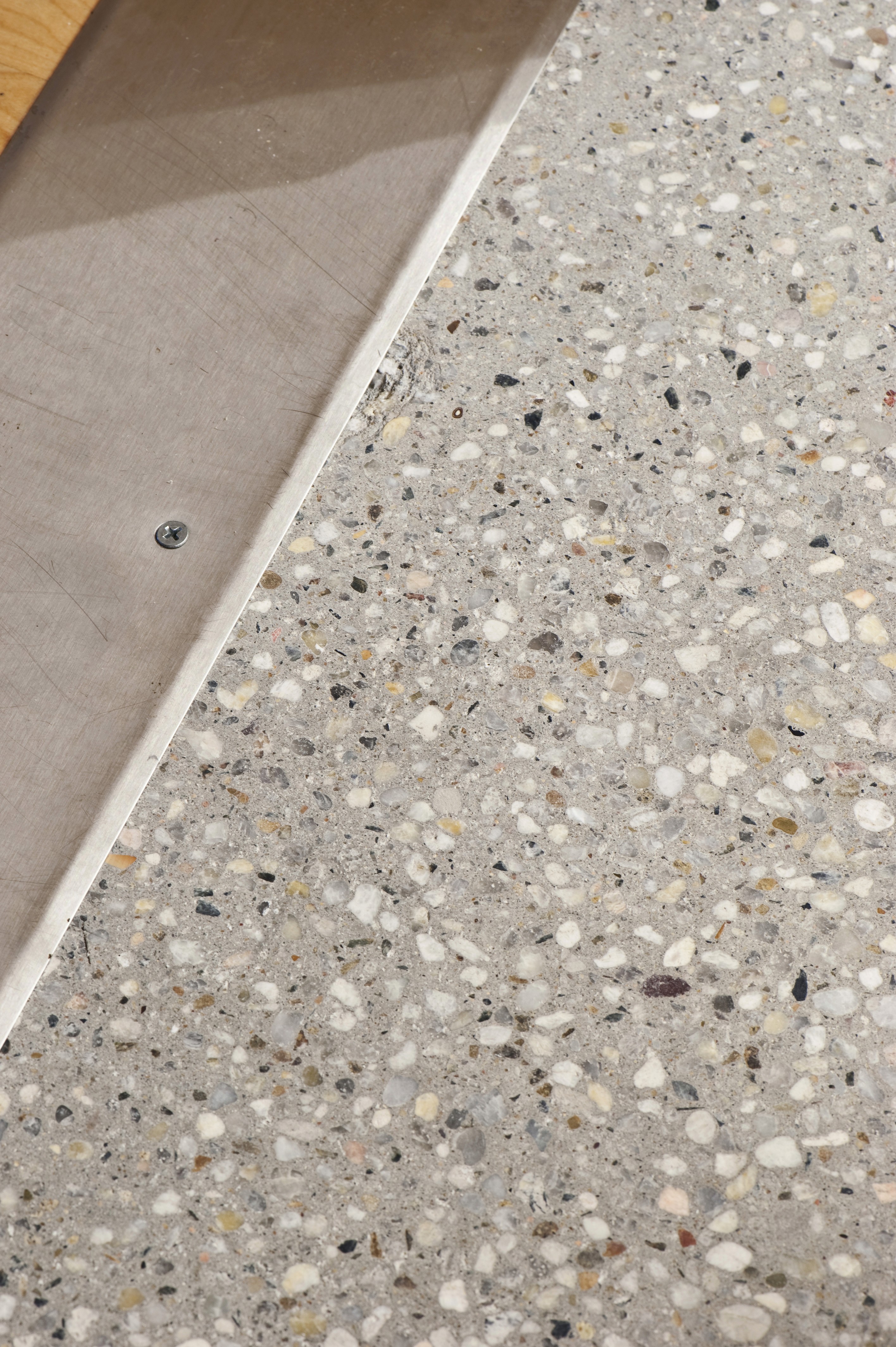
Concrete - Sustainability
Concrete is a widely used construction material known for its strength and durability. However, traditional methods of repairing and restoring concrete often rely on techniques and materials that have significant environmental consequences.
As sustainability becomes an increasing priority and the need to reduce our carbon footprint intensifies, the construction industry is actively exploring innovative, eco-friendly solutions for concrete repair and restoration.
Concrete restoration can have a considerable environmental impact, but there are approaches available to reduce this impact and make the restoration process more sustainable.
One effective method is to remediate the concrete through the process of grinding and topping existing slabs. This reduces the labour and materials associated with the removal of damaged concrete. Using high quality cementitious topping products in combination with advanced grinding equipment we can repair and level flooring of all varieties
Another way to make concrete restoration more environmentally friendly is the use of high-performance epoxy coatings. These coatings play a big impact on the lifespan of your floors and overall maintenance repair costs.
At the core of our strategic vision is a commitment to continual innovation and environmental responsibility. We work closely with our major suppliers and consistently seek new solutions to minimise the removal and replacement of damaged or imperfect concrete.
To date, we have successfully saved over 180,000 square metres of concrete from being removed or replaced and have protected an additional 200,000 square metres through our advanced coating systems and processes. Our approach not only extends the lifespan of concrete structures but also significantly reduces the demand on natural resources.
By focusing on restoration, preservation, and protection, we are proud to contribute to more sustainable construction practices and the long-term stewardship of our planet’s resources
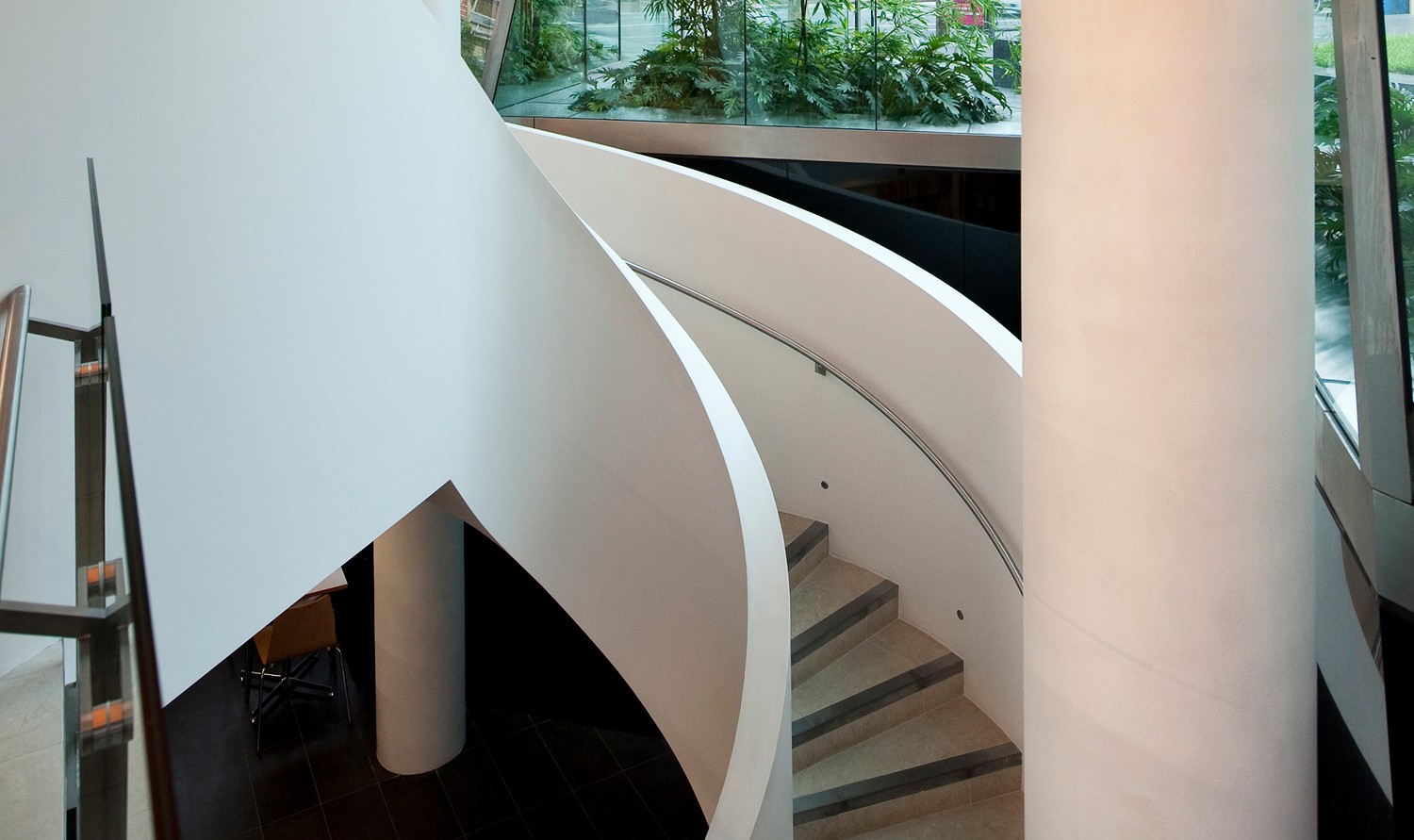
Epoxy - Sustainability
Environmental sustainability is a fundamental aspect of Stoneart’s business approach, with a focus on research and development aimed at reducing solvent content and promoting water-based Low-Voc alternatives.
In the coatings industry, health, climate change, and circularity are recognised as the key pillars of sustainability. At Stoneart, we are fully dedicated to upholding these principles. We prioritise safety and environmental protection to ensure the well-being of our employees, contractors, and the communities in which we operate. This commitment means that all our products fully comply with legal, certification, and regulatory standards.
When choosing coatings, it is vital to take all key ecological factors into account, not just Volatile Organic Content (VOC). Emissions of hazardous air pollutants (HAPs), solid and liquid waste, energy consumption during manufacturing, application, and distribution, as well as the durability and performance of the finished product, should all be evaluated against alternative options.
Our select premium epoxy range and sealing options offer a high-performance two-pack system that is low in odour, low in VOCs, and easy to clean with water—making it the ideal choice for specifiers seeking a waterborne alternative to solvent-based coatings.
For projects adhering to Green Star guidelines or for those aiming to maximizing longevity while minimising its long-term environmental impact, contact us via our website.